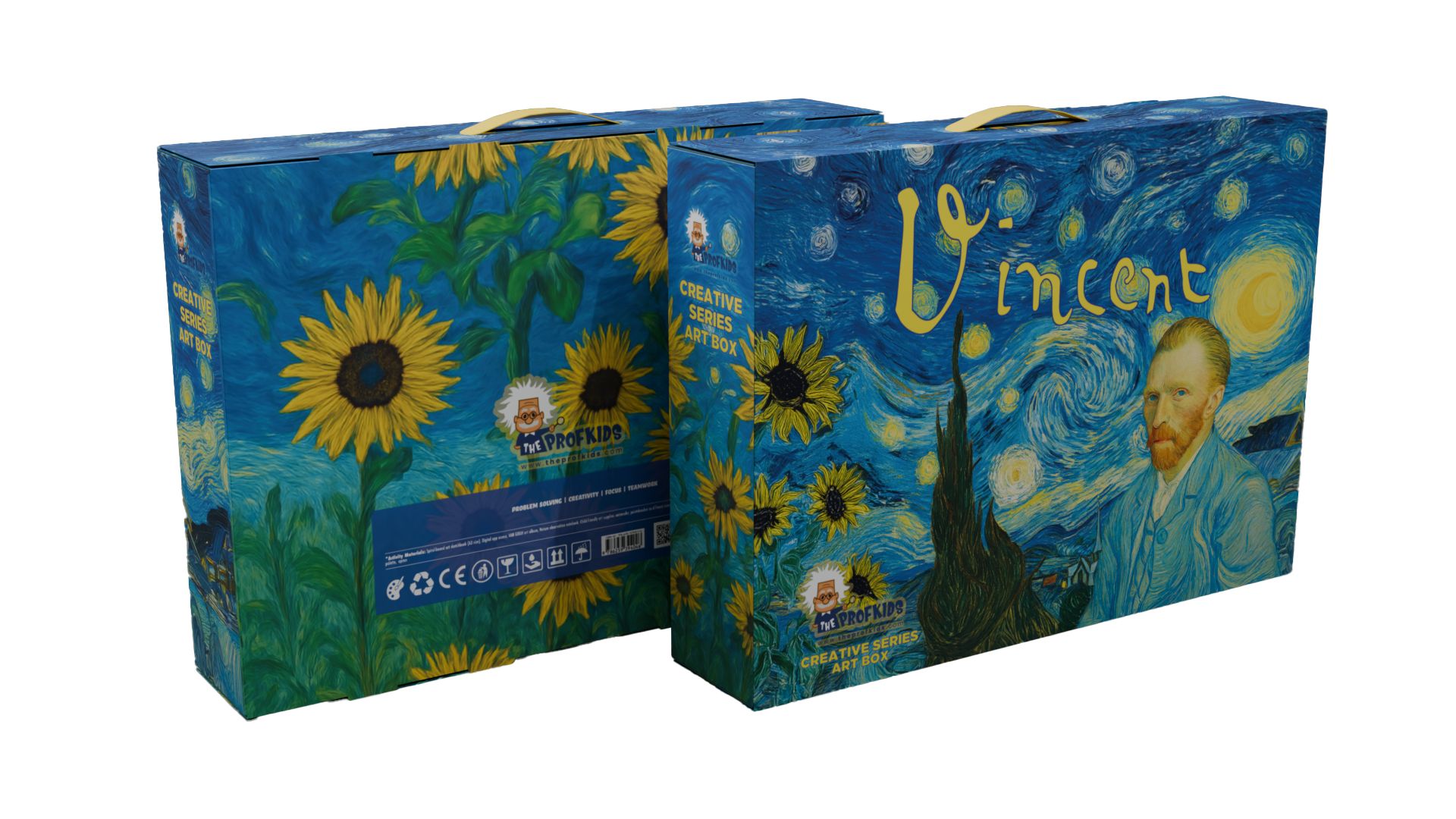
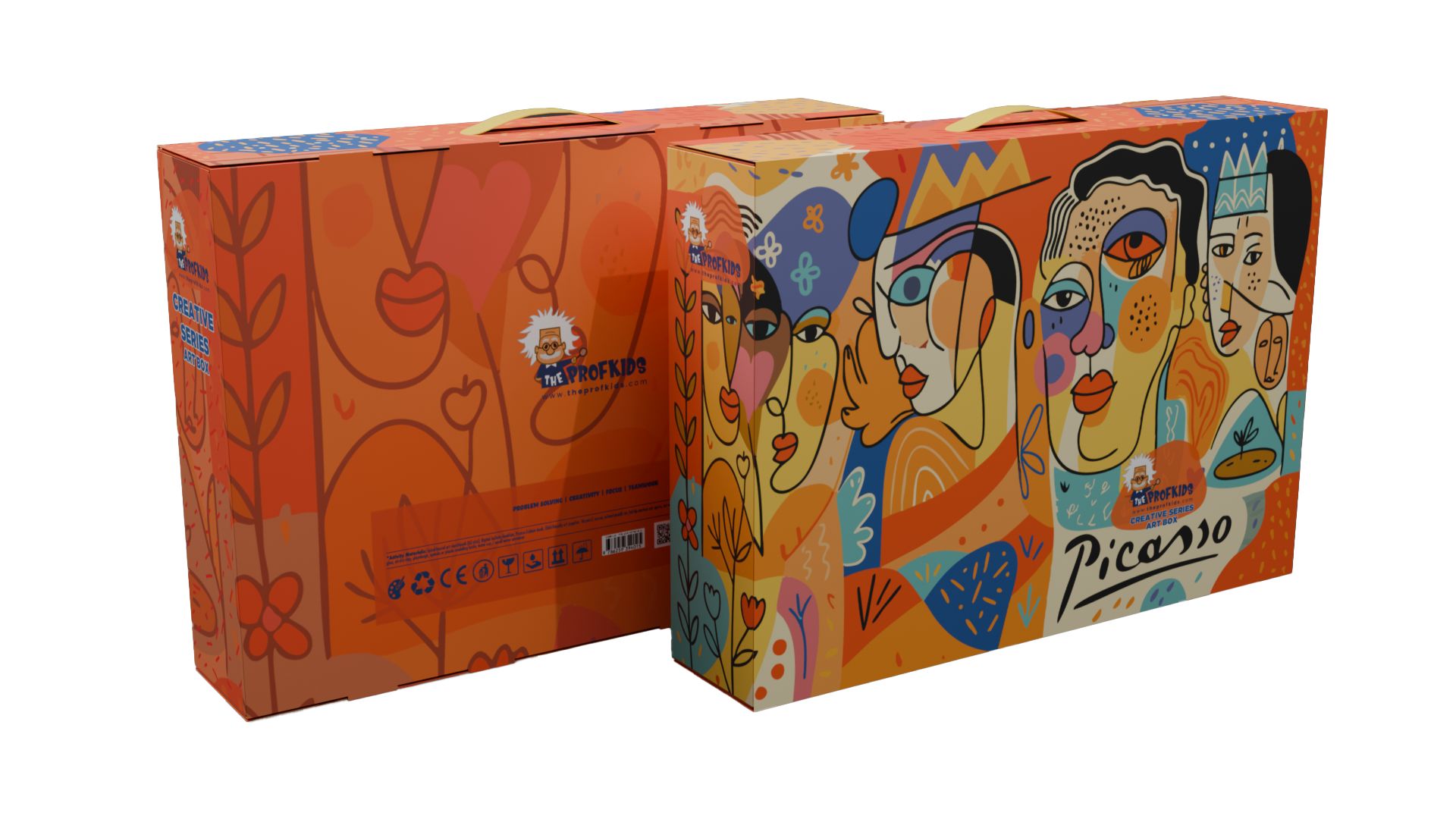
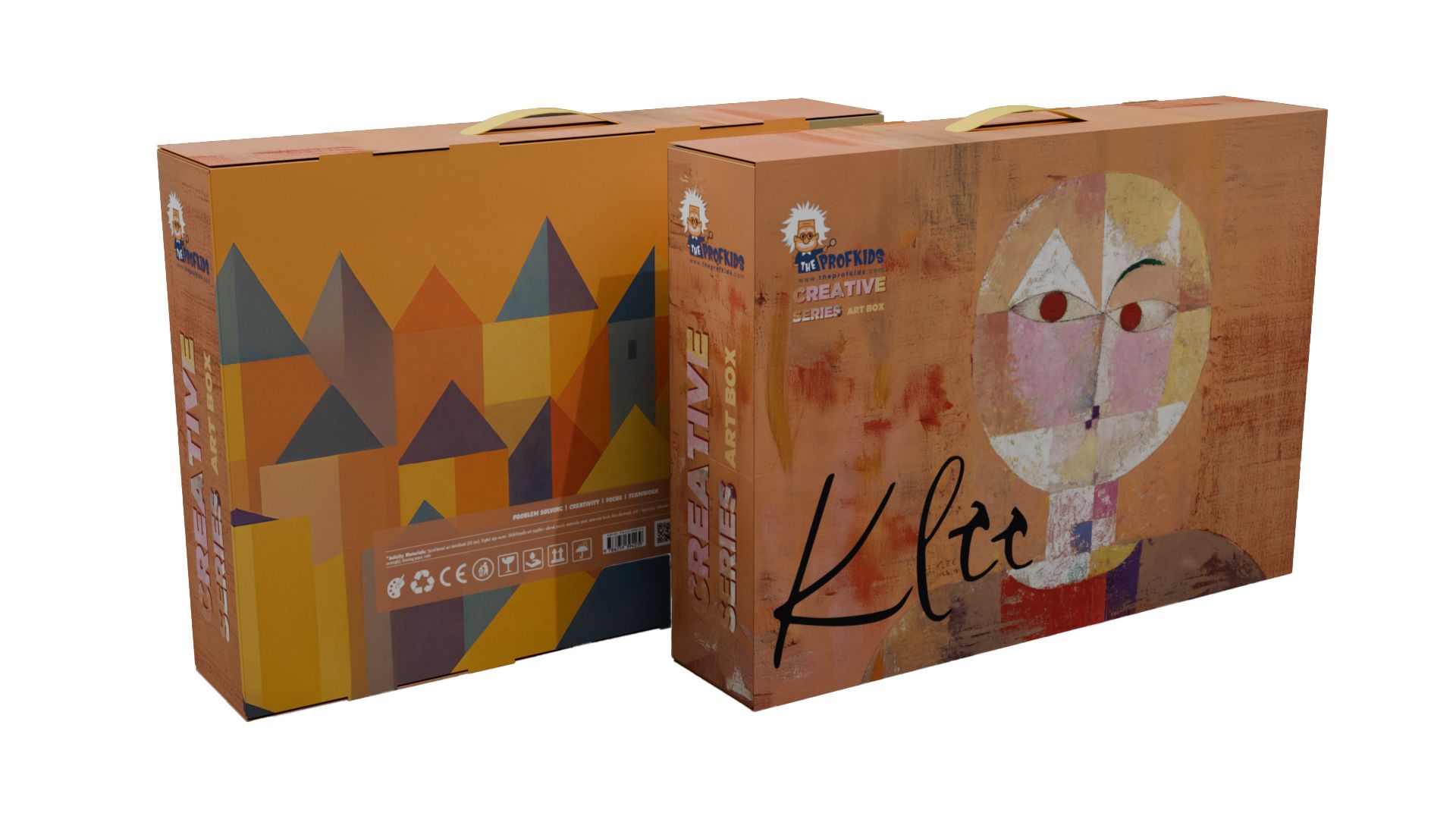
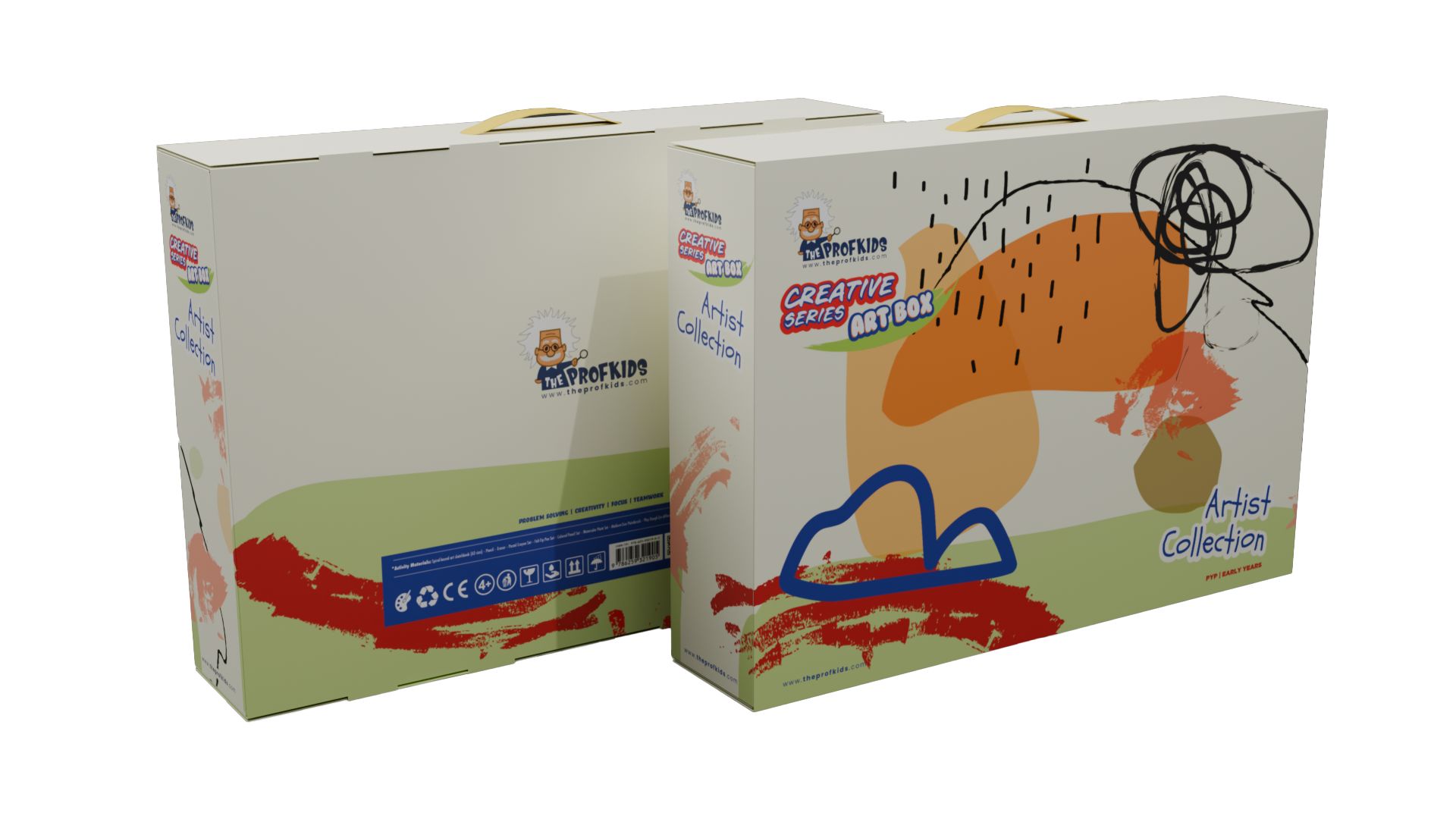
Inspired by Kandinsky's abstract visual language, children explore color harmony, shape, rhythm, and imagination through hands-on weekly art activities.
Contemporary educational material specially developed for children aged 3-6. A comprehensive art education program that develops children's sensory, motor, aesthetic and expression skills.
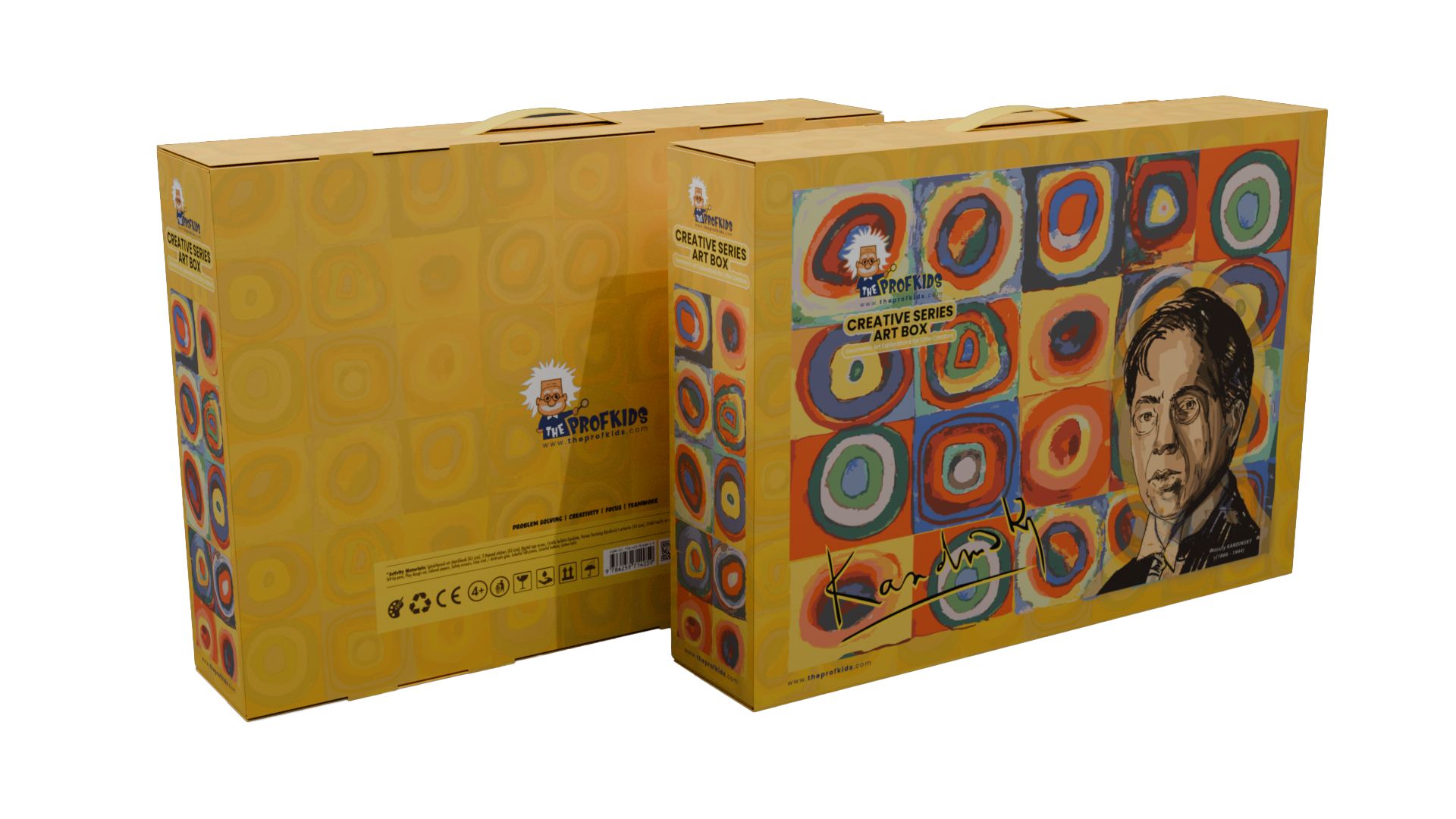
Wassily Kandinsky (1866-1944) was a Russian-born artist and one of the key pioneers of abstract art. He argued that color and form could express emotion like music, and in 1911 he co-founded Der Blaue Reiter in Munich.
Kandinsky's visual language of circles, lines, and bold color contrasts makes abstract thinking tangible for children. This helps them connect emotion, rhythm, and imagination in a playful learning flow.
Benefits provided to students, schools and parents
Contributions to children's development areas
Problem solving, analytical thinking, creative solution generation
Fine motor skills, hand-eye coordination, muscle control
Empathy, cooperation, emotional expression, social interaction
Aesthetic perception, art history knowledge, technical skills
Vocabulary, expression skills, visual literacy
Critical thinking, creativity, innovation, leadership
Compatible with international education models
Fully compatible with International Baccalaureate Primary Years Programme. Supports inquiry-based learning and transdisciplinary approach.
Compatible with child-centered approach and project-based learning. Supports the philosophy that accepts art as the language of learning.
Compatible with Cambridge Early Years Foundation Stage. Supports play-based learning and developmental approach.
Compatible with International Primary Curriculum. Supports personal goals, subject learning goals and international mindedness.
What's in the Kandinsky Art Box?
Organized and safe storage
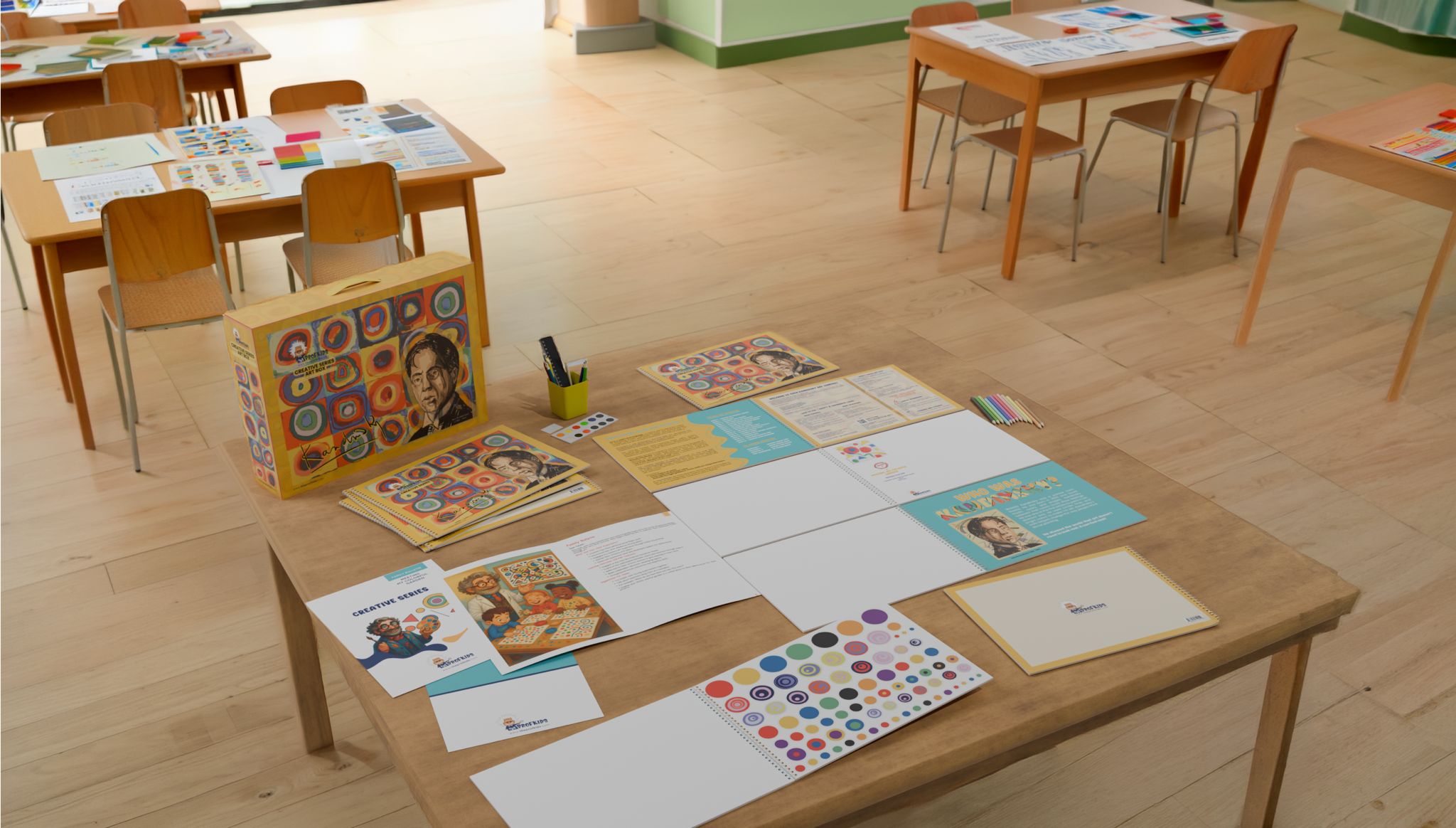
Special paper and design
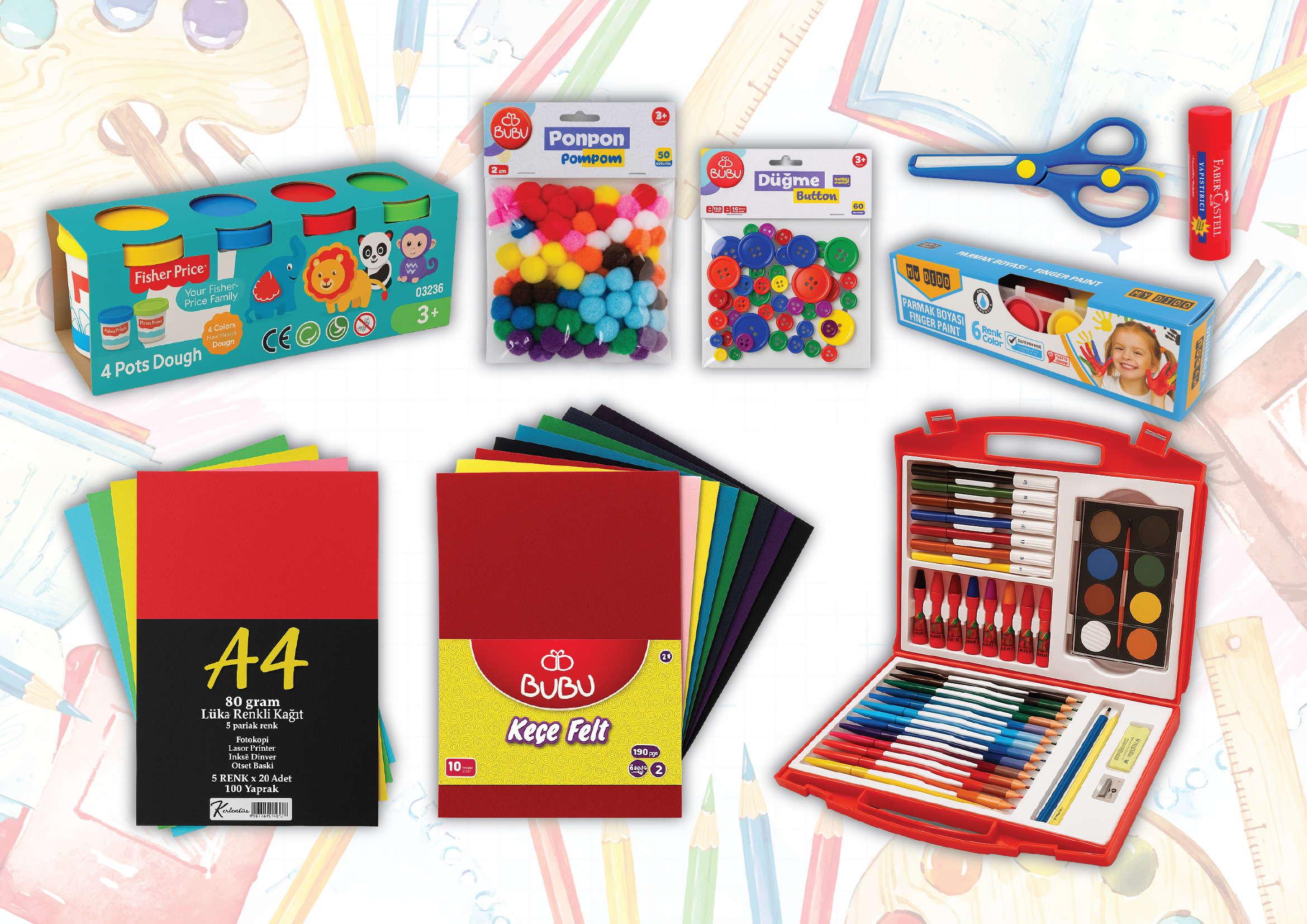
Safe and high quality
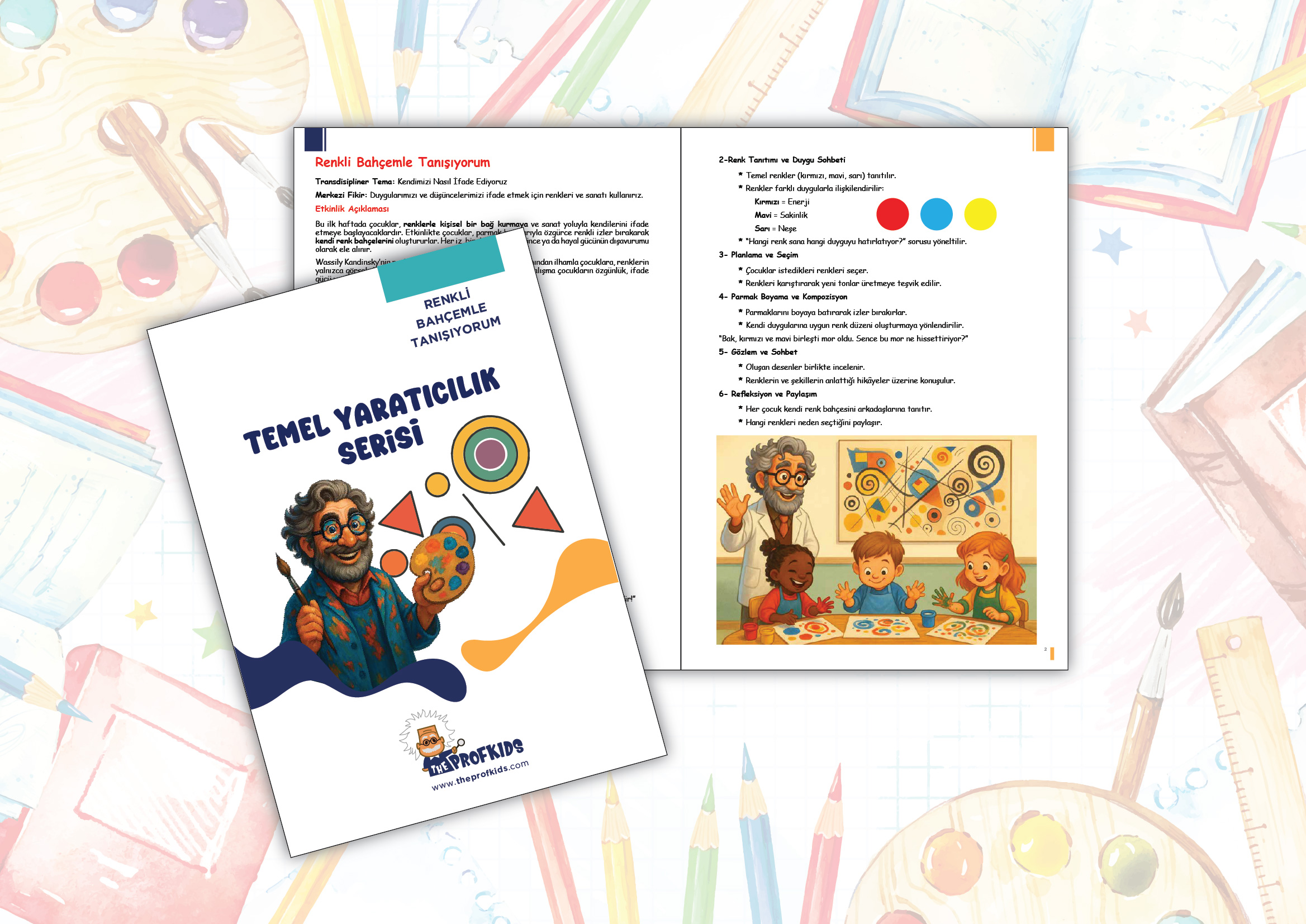
Step by step guidance
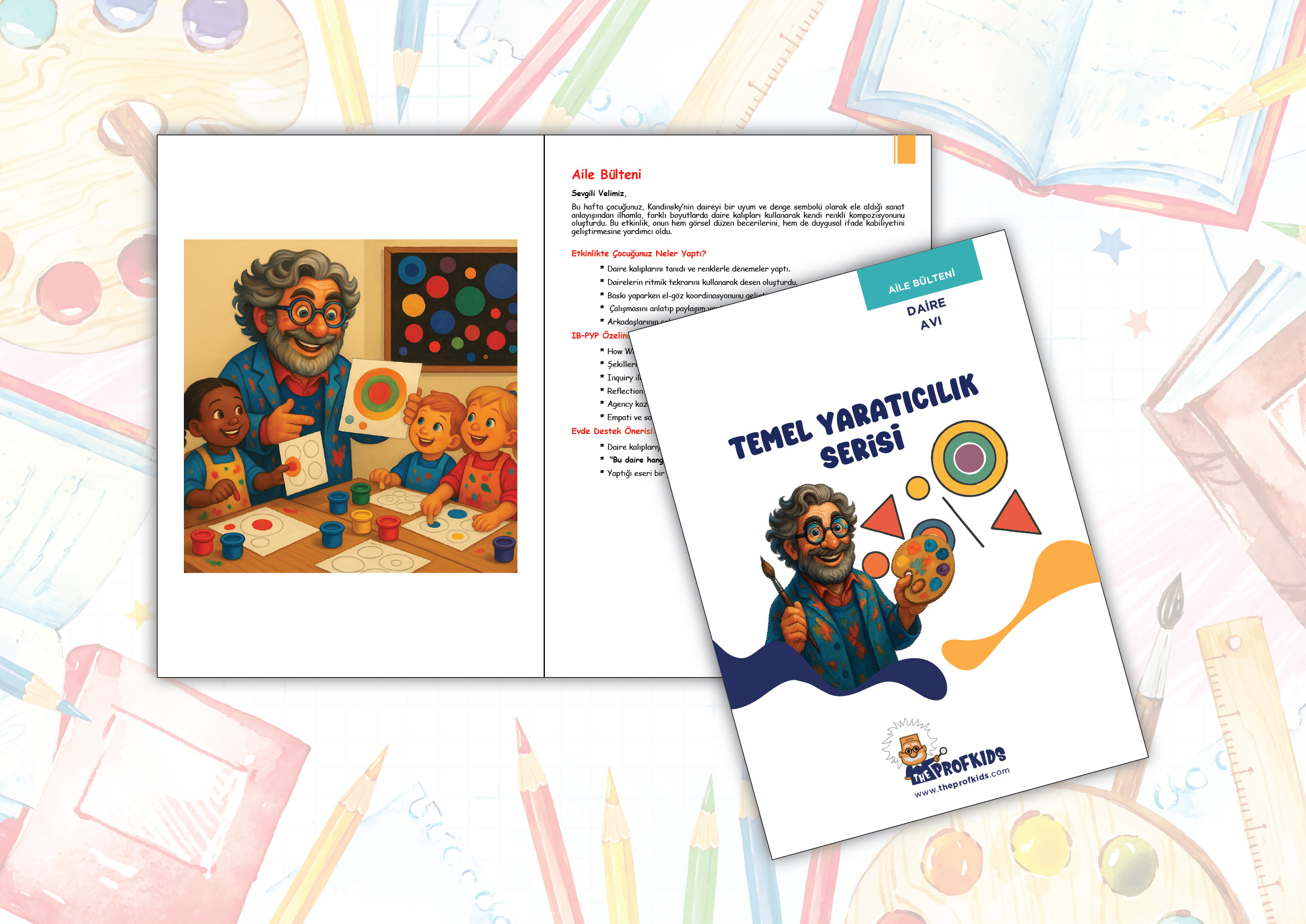
Home support guide
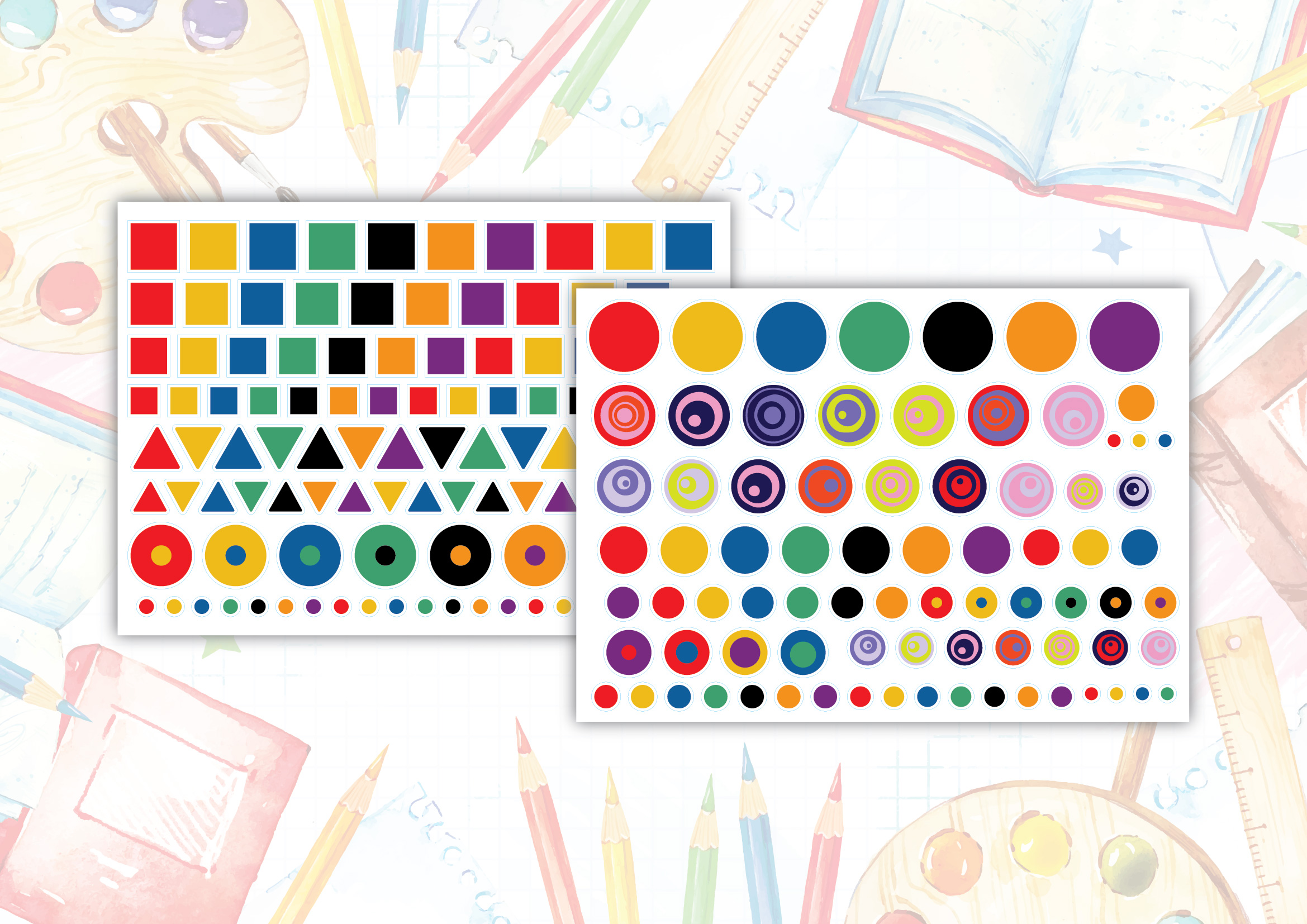
Motivation and organization
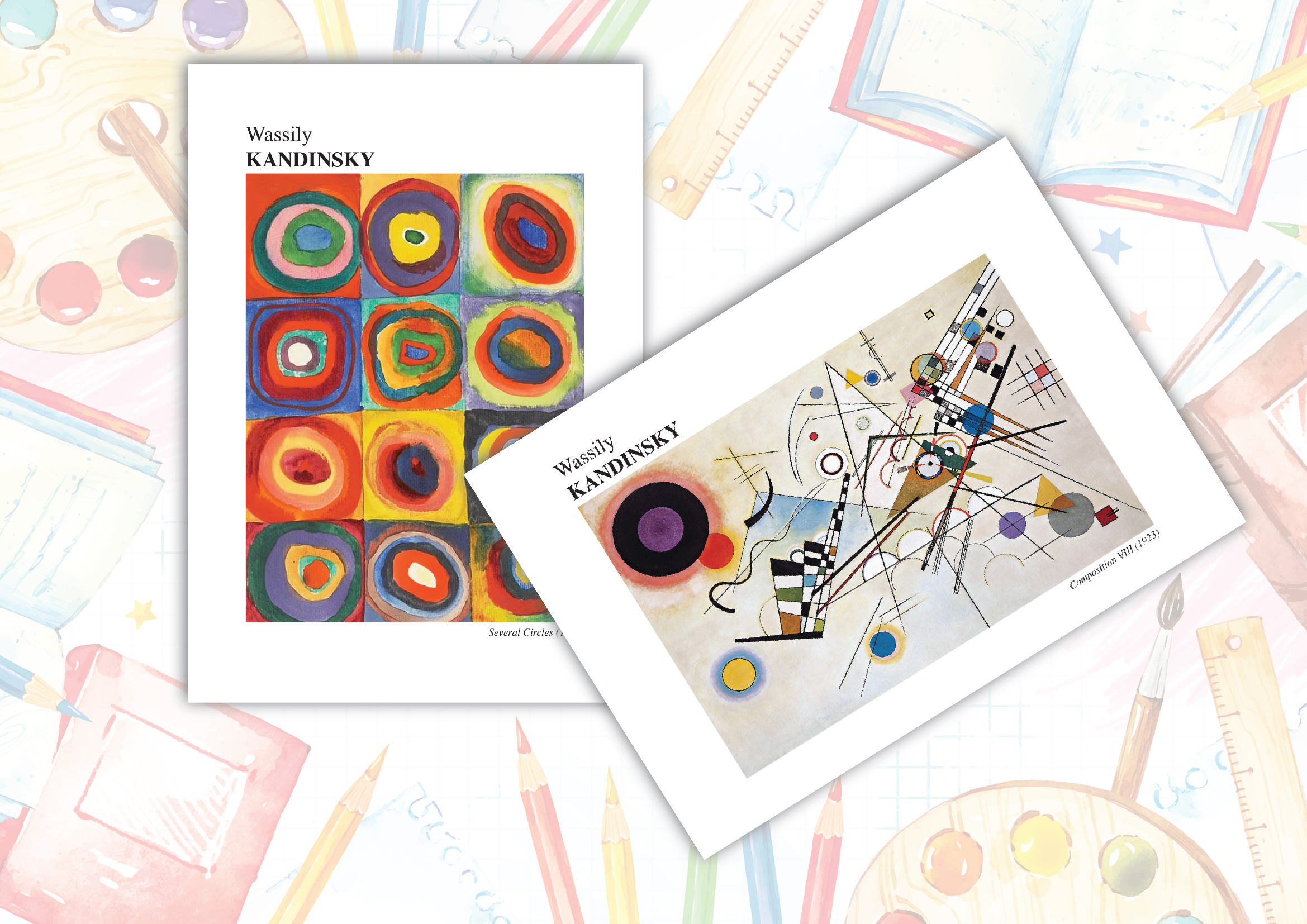
Visual learning support